Your 4th money laundering directive summary images are ready. 4th money laundering directive summary are a topic that is being searched for and liked by netizens now. You can Find and Download the 4th money laundering directive summary files here. Download all royalty-free vectors.
If you’re looking for 4th money laundering directive summary images information connected with to the 4th money laundering directive summary interest, you have pay a visit to the ideal site. Our website always provides you with hints for viewing the maximum quality video and picture content, please kindly surf and locate more enlightening video articles and graphics that match your interests.
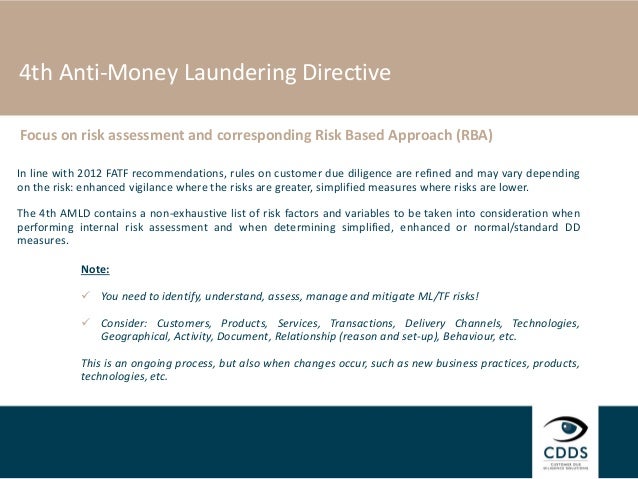
4th Money Laundering Directive Summary. The Fourth Money Laundering Directive Implementation date. The Fourth EU Money Laundering Directive AMLD4 came into force on 26 June 2015. It replaces the Third EU Money Laundering Directive and its purpose is to strengthen and improve existing anti-money laundering and counter-terrorist financing laws. In 2013 the European Commission released its proposal for the 4 th EU Money Laundering Directive Directive which is to strengthen screening processes to disable dirty money to be laundered.
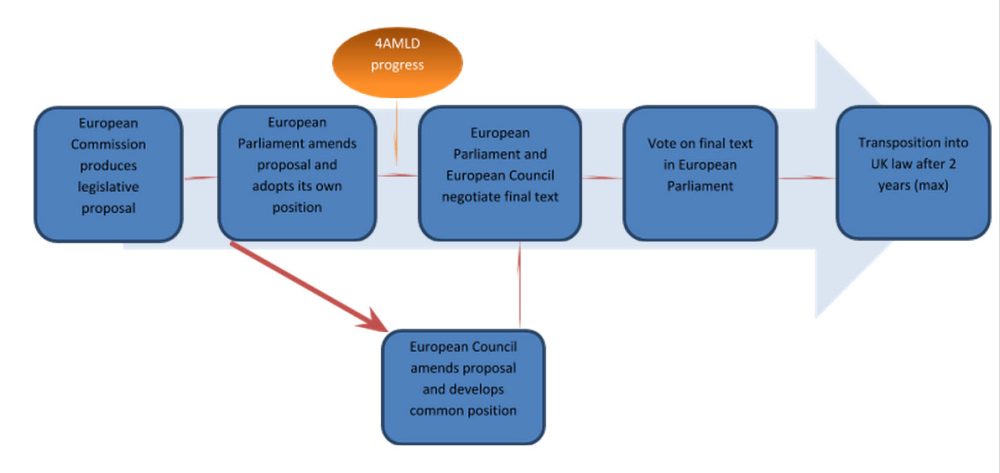 What Does The Fourth European Anti Money Laundering Directive Mean For Hedge Fund Regulation Hedge Think From hedgethink.com
4MLD looks to give effect to the updated standards that have been set by the Financial Action Task Force FATF. 4th Money Laundering Directive Key Changes and how it will impact you The new Fourth Money Laundering Directive EU 2015849 was passed by the EU in June 2015 and will be implemented in the UK by June 2017. 10 key changes within the fourth EU money laundering directive by Alex Ford Jul 11 2017 All Blog Posts The new regulations will Encompass the use of a risk based approach to customer onboarding a named individual who sits at board level and changes to the due diligence process. 26 June 2017 The Fourth Anti Money Laundering Directive broadly focused on aligning EU policy with AMLCFT guidelines from the Financial Action Task Force FATF. Under the 4 th Anti-Money Laundering Directive the persons affected were already obliged to exercise greater due diligence when dealing with natural or legal persons established in high-risk third countries. DIRECTIVE EU 2015849 OF THE EUROPEAN PARLIAMENT AND OF THE COUNCIL of 20 May 2015 on the prevention of the use of the financial system for the purposes of money laundering or terrorist financing is pointing that flows of illicit money can damage the integrity stability and reputation of the financial sector and threaten the internal market of the Union as well as international development.
Council Directive 91308EEC 4 defined money laundering in terms of drugs offences and imposed obligations solely on the financial sector.
The Crown Dependencies have as yet not changed these limits. The Fourth Money Laundering Directive widens the definition of a Politically Exposed Persons PEP to include citizens holding prominent positions in their home country such as politicians the judiciary and senior members of the armed services as well as those of overseas countries. The draft Fourth EU Anti Money Laundering Directive AMLD4 is designed to update and improve the EUs Anti-Money Laundering AML and Counter-Terrorist Financing CTF laws. During those ten years the financial industry has faced many challenges and changes which have put more pressure on the regulators to monitor. It will also ensure consistency in the application of such laws across all EU Member States. It replaces the Third EU Money Laundering Directive and its purpose is to strengthen and improve existing anti-money laundering and counter-terrorist financing laws.
 Source: tookitaki.ai
The EU Commission determines which countries are. The Fourth Money Laundering Directive Implementation date. When money is being laundered corruption is being facilitated allowing many standards to be undermined. 10 key changes within the fourth EU money laundering directive by Alex Ford Jul 11 2017 All Blog Posts The new regulations will Encompass the use of a risk based approach to customer onboarding a named individual who sits at board level and changes to the due diligence process. Key Changes Within The Fourth EU Money Laundering Directive.
 Source: financierworldwide.com
The Fourth Money Laundering Directive Implementation date. The EU Commission determines which countries are. The proposals were based in response to the Financial Action Task Force FATF 2012. It takes into account the 40 new recommendations adopted by the Financial Action Task Force FATF on 16 February 2012 which the EU Member States have committed to. The draft Fourth EU Anti Money Laundering Directive AMLD4 is designed to update and improve the EUs Anti-Money Laundering AML and Counter-Terrorist Financing CTF laws.
 Source: bankinghub.eu
It will also ensure consistency in the application of such laws across all EU Member States. The Fourth Directive reduced the transaction limits where CDD is required from 15000 to 10000 and for casinos to 2000 for a stake of collecting winnings. It will also ensure consistency in the application of such laws across all EU Member States. The Fourth Money Laundering Directive EU 2015849 MLD4 is designed to strengthen the EUs defences against money laundering and terrorist financing while also ensuring that the EU framework is aligned with the Financial Action Task Forces FATF international anti-money laundering AML and counter-terrorist financing CTF standards. The Fourth EU Money Laundering Directive AMLD4 came into force on 26 June 2015.
 Source: coinfirm.com
When money is being laundered corruption is being facilitated allowing many standards to be undermined. The Fourth EU Money Laundering Directive 4MLD which came into force on June 26 2015 is designed to bring a more robust risk-based approach to the prevention of money laundering and terrorist financing across all. It takes into account the 40 new recommendations adopted by the Financial Action Task Force FATF on 16 February 2012 which the EU Member States have committed to. Key Aspects of the 4th EU Anti-Money Laundering Directive The EU Regulation 2015849 entered into force on 26 th of June 2017. In 2013 the European Commission released its proposal for the 4 th EU Money Laundering Directive Directive which is to strengthen screening processes to disable dirty money to be laundered.
 Source: eklawyers.com
The 4th AMLD recasts the existing 3rd Anti-Money Laundering Directive Directive 200560EU and the corresponding Implementing Directive Commission Directive 200670EC. The draft Fourth EU Anti Money Laundering Directive AMLD4 is designed to update and improve the EUs Anti-Money Laundering AML and Counter-Terrorist Financing CTF laws. It replaces the Third EU Money Laundering Directive and its purpose is to strengthen and improve existing anti-money laundering and counter-terrorist financing laws. The Fourth Money Laundering Directive widens the definition of a Politically Exposed Persons PEP to include citizens holding prominent positions in their home country such as politicians the judiciary and senior members of the armed services as well as those of overseas countries. 10 key changes within the fourth EU money laundering directive by Alex Ford Jul 11 2017 All Blog Posts The new regulations will Encompass the use of a risk based approach to customer onboarding a named individual who sits at board level and changes to the due diligence process.
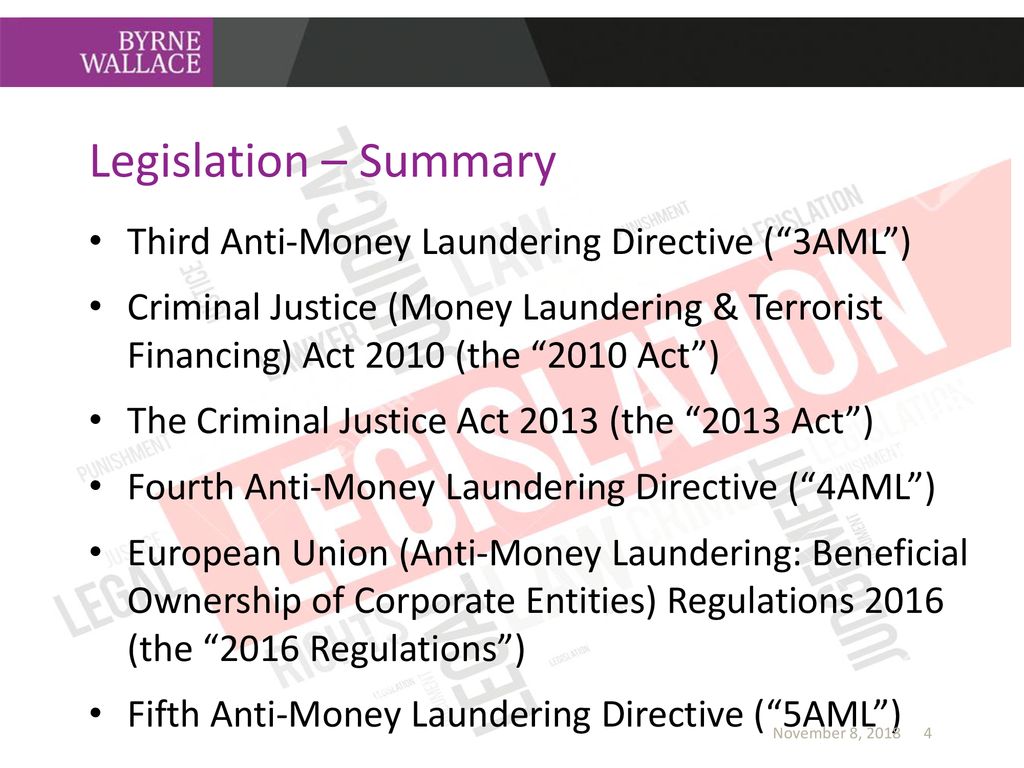 Source: slideplayer.com
Tue Jun 7 2016. During those ten years the financial industry has faced many challenges and changes which have put more pressure on the regulators to monitor. The Fourth Money Laundering Directive EU 2015849 MLD4 is designed to strengthen the EUs defences against money laundering and terrorist financing while also ensuring that the EU framework is aligned with the Financial Action Task Forces FATF international anti-money laundering AML and counter-terrorist financing CTF standards. Summary of the Fourth Money Laundering Directive 4MLD Last summer on 5th June 2015 the Fourth Money Laundering Directive also referred to as 4MLD or MLD4 was published in the EU Official Journal. 10 key changes within the fourth EU money laundering directive by Alex Ford Jul 11 2017 All Blog Posts The new regulations will Encompass the use of a risk based approach to customer onboarding a named individual who sits at board level and changes to the due diligence process.
 Source: slideshare.net
In 2013 the European Commission released its proposal for the 4 th EU Money Laundering Directive Directive which is to strengthen screening processes to disable dirty money to be laundered. Council Directive 91308EEC 4 defined money laundering in terms of drugs offences and imposed obligations solely on the financial sector. The 4 th AML Directive took into consideration the 40 new recommendations introduced by the Financial Task Force FATF which each Member State of the European Union must ensure compliance. The Fourth EU Money Laundering Directive AMLD4 came into force on 26 June 2015. The draft Fourth EU Anti Money Laundering Directive AMLD4 is designed to update and improve the EUs Anti-Money Laundering AML and Counter-Terrorist Financing CTF laws.
 Source: bankinghub.eu
During those ten years the financial industry has faced many challenges and changes which have put more pressure on the regulators to monitor. 26 June 2017 The Fourth Anti Money Laundering Directive broadly focused on aligning EU policy with AMLCFT guidelines from the Financial Action Task Force FATF. In 2013 the European Commission released its proposal for the 4 th EU Money Laundering Directive Directive which is to strengthen screening processes to disable dirty money to be laundered. Summary of the Fourth Money Laundering Directive 4MLD Last summer on 5th June 2015 the Fourth Money Laundering Directive also referred to as 4MLD or MLD4 was published in the EU Official Journal. The EU Commission determines which countries are.
 Source: complyadvantage.com
When money is being laundered corruption is being facilitated allowing many standards to be undermined. The draft Fourth EU Anti Money Laundering Directive AMLD4 is designed to update and improve the EUs Anti-Money Laundering AML and Counter-Terrorist Financing CTF laws. 26 June 2017 The Fourth Anti Money Laundering Directive broadly focused on aligning EU policy with AMLCFT guidelines from the Financial Action Task Force FATF. It will also ensure consistency in the application of such laws across all EU Member States. The EU Commission determines which countries are.
Source: hedgethink.com
It will also ensure consistency in the application of such laws across all EU Member States. 26 June 2017 The Fourth Anti Money Laundering Directive broadly focused on aligning EU policy with AMLCFT guidelines from the Financial Action Task Force FATF. Under the 4 th Anti-Money Laundering Directive the persons affected were already obliged to exercise greater due diligence when dealing with natural or legal persons established in high-risk third countries. The Fourth Money Laundering Directive EU 2015849 MLD4 is designed to strengthen the EUs defences against money laundering and terrorist financing while also ensuring that the EU framework is aligned with the Financial Action Task Forces FATF international anti-money laundering AML and counter-terrorist financing CTF standards. The Crown Dependencies have as yet not changed these limits.
 Source:
This Directive is the fourth directive to address the threat of money laundering. The Fourth EU Money Laundering Directive 4MLD which came into force on June 26 2015 is designed to bring a more robust risk-based approach to the prevention of money laundering and terrorist financing across all. The changes are in. It takes into account the 40 new recommendations adopted by the Financial Action Task Force FATF on 16 February 2012 which the EU Member States have committed to. Tue Jun 7 2016.
 Source: coe.int
The 4th AMLD recasts the existing 3rd Anti-Money Laundering Directive Directive 200560EU and the corresponding Implementing Directive Commission Directive 200670EC. Under the 4 th Anti-Money Laundering Directive the persons affected were already obliged to exercise greater due diligence when dealing with natural or legal persons established in high-risk third countries. It will also ensure consistency in the application of such laws across all EU Member States. It replaces the Third EU Money Laundering Directive and its purpose is to strengthen and improve existing anti-money laundering and counter-terrorist financing laws. 10 key changes within the fourth EU money laundering directive by Alex Ford Jul 11 2017 All Blog Posts The new regulations will Encompass the use of a risk based approach to customer onboarding a named individual who sits at board level and changes to the due diligence process.
 Source: bankinghub.eu
CDD Simplified CDD will no longer be applicable in most circumstances. Council Directive 91308EEC 4 defined money laundering in terms of drugs offences and imposed obligations solely on the financial sector. The EU Commission determines which countries are. In 2013 the European Commission released its proposal for the 4 th EU Money Laundering Directive Directive which is to strengthen screening processes to disable dirty money to be laundered. The Fourth EU Money Laundering Directive 4MLD which came into force on June 26 2015 is designed to bring a more robust risk-based approach to the prevention of money laundering and terrorist financing across all.
This site is an open community for users to do submittion their favorite wallpapers on the internet, all images or pictures in this website are for personal wallpaper use only, it is stricly prohibited to use this wallpaper for commercial purposes, if you are the author and find this image is shared without your permission, please kindly raise a DMCA report to Us.
If you find this site serviceableness, please support us by sharing this posts to your favorite social media accounts like Facebook, Instagram and so on or you can also bookmark this blog page with the title 4th money laundering directive summary by using Ctrl + D for devices a laptop with a Windows operating system or Command + D for laptops with an Apple operating system. If you use a smartphone, you can also use the drawer menu of the browser you are using. Whether it’s a Windows, Mac, iOS or Android operating system, you will still be able to bookmark this website.