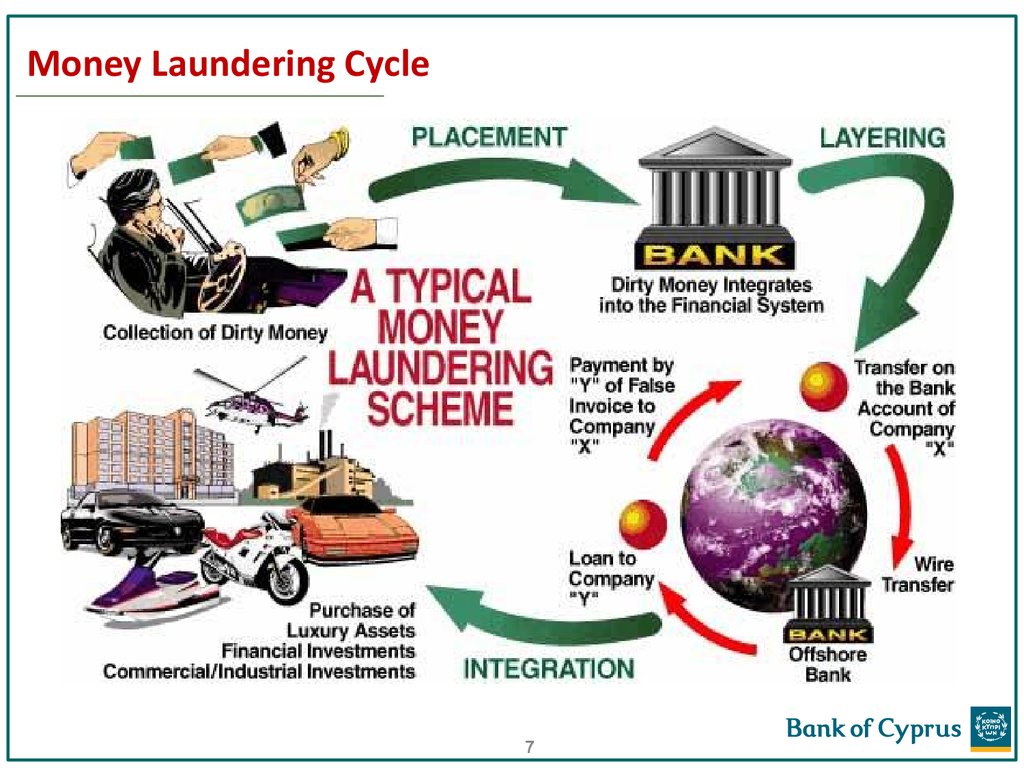
Your Anti money laundering definition images are ready in this website. Anti money laundering definition are a topic that is being searched for and liked by netizens now. You can Find and Download the Anti money laundering definition files here. Download all royalty-free photos and vectors.
If you’re looking for anti money laundering definition pictures information linked to the anti money laundering definition keyword, you have visit the ideal blog. Our site frequently gives you hints for seeking the highest quality video and image content, please kindly hunt and locate more informative video articles and images that match your interests.
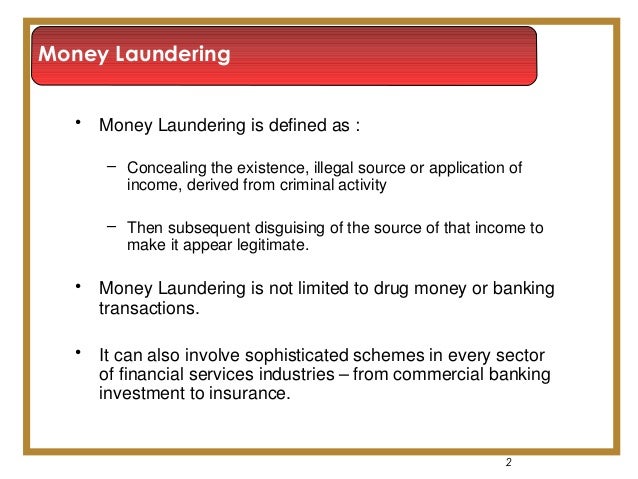
Anti Money Laundering Definition. Anti-Money Laundering Law means applicable laws or regulations in any jurisdiction in which any Loan Party or any Subsidiary is located or doing business that relates to money laundering any predicate crime to money laundering or any financial record. The purpose of the Anti-Money Laundering AML rules is to help detect and report suspicious activity including the predicate offenses to money laundering and terrorist financing such as securities fraud and market manipulation. Directly or indirectly attempted to. Anti-money laundering refers to laws and regulations intended to stop criminals from disguising illegally obtained funds as legitimate income.
 What Is Anti Money Laundering Quora From quora.com
Anti-Money Laundering Any law or regulation requiring an institution to perform due diligence on potential clients to ensure that it is not aiding in a money laundering scheme. It is implemented within government systems and large financial institutions to monitor potentially fraudulent activity. Again a national system must be flexible enough to be able to extend countermeasures to new areas of its own economy. The purpose of the Anti-Money Laundering AML rules is to help detect and report suspicious activity including the predicate offenses to money laundering and terrorist financing such as securities fraud and market manipulation. While AML covers a range of criminal activity it is particularly aimed at specific types of financial misuse including public corruption tax evasion illegal goods trading and market manipulation. AML laws require that financial instutions report any financial crime they detect to relevant.
Anti-Money Laundering AML is a set of policies procedures and technologies that prevents money laundering.
Anti-Money Laundering Laws means any and all laws statutes regulations or obligatory government orders decrees ordinances or rules applicable to a Credit Party its Subsidiaries or Affiliates related to terrorism financing or money laundering including any applicable provision of the Patriot Act and The Currency and Foreign Transactions Reporting Act also known as the Bank Secrecy Act 31 USC. Although you as a company stick to the rules this does not mean that your partners and business associates adhere to the same AML compliance laws as you. Anti-Money Laundering AML includes policies laws and regulations to prevent financial crimes. Anti-money laundering AML refers to the set of laws regulations and procedures intended to prevent criminals from obtaining hiding or moving illicit funds. Again a national system must be flexible enough to be able to extend countermeasures to new areas of its own economy. Anti-Money Laundering Any law or regulation requiring an institution to perform due diligence on potential clients to ensure that it is not aiding in a money laundering scheme.
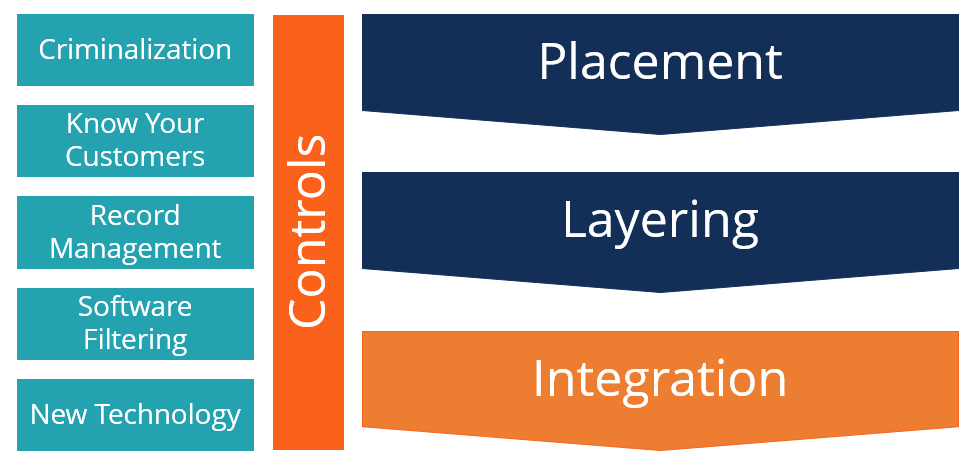 Source: corporatefinanceinstitute.com
Anti-Money Laundering Any law or regulation requiring an institution to perform due diligence on potential clients to ensure that it is not aiding in a money laundering scheme. Anti-money laundering definition of Anti-money laundering by Medical dictionary. Directly or indirectly attempted to. Although you as a company stick to the rules this does not mean that your partners and business associates adhere to the same AML compliance laws as you. Anti-money laundering AML refers to all policies and pieces of legislation that force financial institutions to monitor their clients to prevent money laundering.
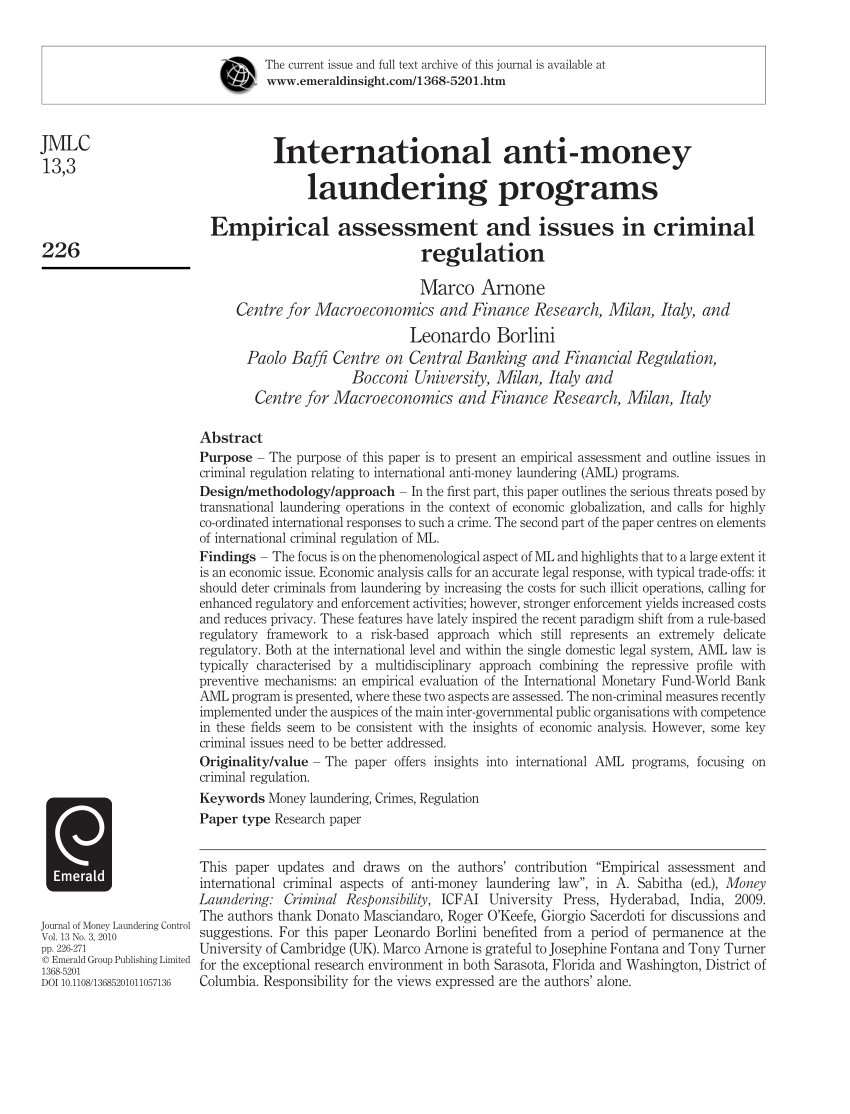 Source: researchgate.net
Global and local regulators are established around the world to prevent financial. If the institution does not conduct due diligence properly it may be held legally liable for the money laundering activities. AML laws require that financial instutions report any financial crime they detect to relevant. Anti-Money Laundering and Countering Financing of Terrorism Definitions Regulations 2011 SR 2011222 as at 09 July 2021 Contents New Zealand Legislation. Anti-Money Laundering Laws means any and all laws statutes regulations or obligatory government orders decrees ordinances or rules applicable to a Credit Party its Subsidiaries or Affiliates related to terrorism financing or money laundering including any applicable provision of the Patriot Act and The Currency and Foreign Transactions Reporting Act also known as the Bank Secrecy Act 31 USC.
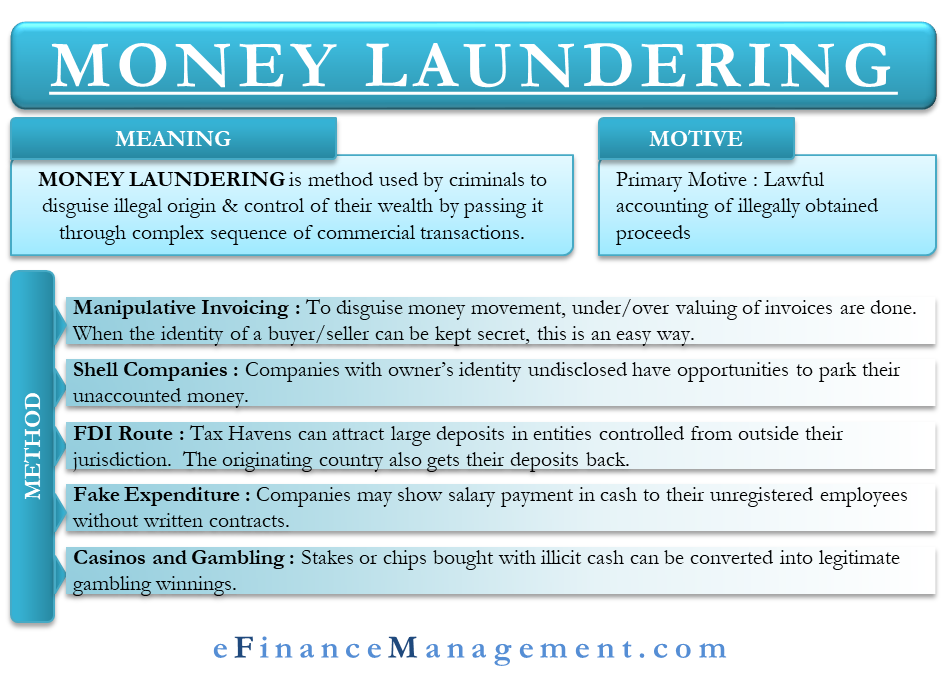 Source: efinancemanagement.com
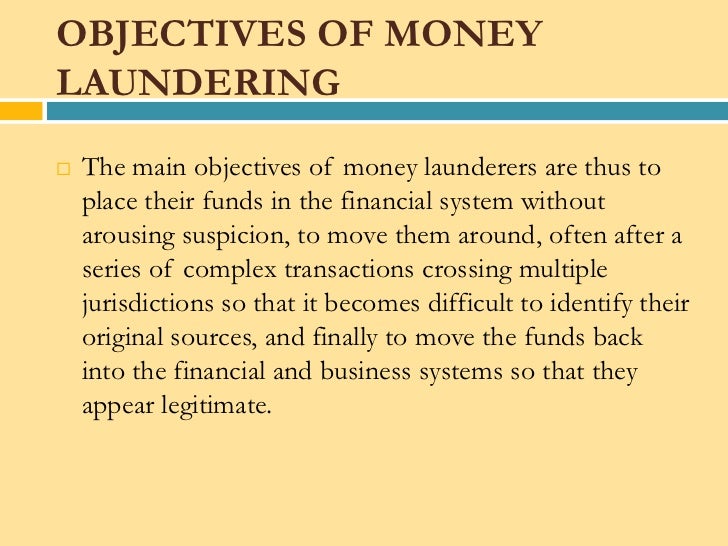
Anti-Money Laundering Any law or regulation requiring an institution to perform due diligence on potential clients to ensure that it is not aiding in a money laundering scheme. The concept of cash laundering is essential to be understood for these working in the financial sector. Global and local regulators are established around the world to prevent financial. Anti Money Laundering AML also known as anti-money laundering is the execution of transactions to eventually convert illegally obtained money into legal money. Anti-Money Laundering Laws means any and all laws statutes regulations or obligatory government orders decrees ordinances or rules applicable to a Credit Party its Subsidiaries or Affiliates related to terrorism financing or money laundering including any applicable provision of the Patriot Act and The Currency and Foreign Transactions Reporting Act also known as the Bank Secrecy Act 31 USC.
Source: quora.com
It is implemented within government systems and large financial institutions to monitor potentially fraudulent activity. Anti-money laundering measures often force launderers to move to parts of the economy with weak or ineffective measures to deal with the problem. Anti-Money Laundering and Countering Financing of Terrorism Definitions Regulations 2011 SR 2011222 as at 09 July 2021 Contents New Zealand Legislation. If the institution does not conduct due diligence properly it may be held legally liable for the money laundering activities. Anti-money laundering AML refers to all policies and pieces of legislation that force financial institutions to monitor their clients to prevent money laundering.
 Source: allbankingalerts.com
The purpose of the Anti-Money Laundering AML rules is to help detect and report suspicious activity including the predicate offenses to money laundering and terrorist financing such as securities fraud and market manipulation. If the institution does not conduct due diligence properly it may be held legally liable for the money laundering activities. Anti-money laundering definition of Anti-money laundering by Medical dictionary. While AML covers a range of criminal activity it is particularly aimed at specific types of financial misuse including public corruption tax evasion illegal goods trading and market manipulation. It is a process by which soiled m.
 Source: slideshare.net
AML is generally employed by the compliance legal and financial sectors to introduce or develop control systems that an organisation should implement with an aim to identify and then stop the activities which can result in money laundering. Anti-Money Laundering Laws means any and all laws statutes regulations or obligatory government orders decrees ordinances or rules applicable to a Credit Party its Subsidiaries or Affiliates related to terrorism financing or money laundering including any applicable provision of the Patriot Act and The Currency and Foreign Transactions Reporting Act also known as the Bank Secrecy Act 31 USC. Offence of Money Laundering. The purpose of the Anti-Money Laundering AML rules is to help detect and report suspicious activity including the predicate offenses to money laundering and terrorist financing such as securities fraud and market manipulation. Anti-Money Laundering What is Anti-Money Laundering.
 Source: moneylaundry.vercel.app
Although you as a company stick to the rules this does not mean that your partners and business associates adhere to the same AML compliance laws as you. Anti-money laundering AML is a term mainly used in the financial and legal industries to describe the legal controls that require financial institutions and other regulated entities to prevent detect and report money laundering activities. Anti-Money Laundering Law means applicable laws or regulations in any jurisdiction in which any Loan Party or any Subsidiary is located or doing business that relates to money laundering any predicate crime to money laundering or any financial record. Anti-Money Laundering Any law or regulation requiring an institution to perform due diligence on potential clients to ensure that it is not aiding in a money laundering scheme. If the institution does not conduct due diligence properly it may be held legally liable for the money laundering activities.
 Source: slideplayer.com
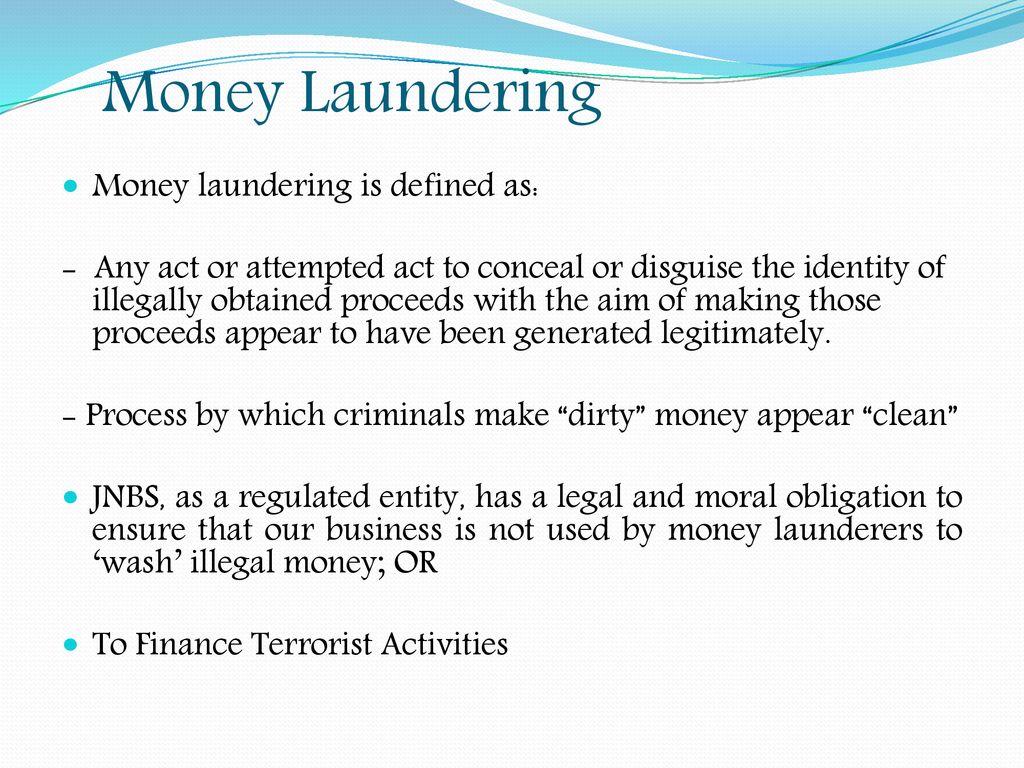
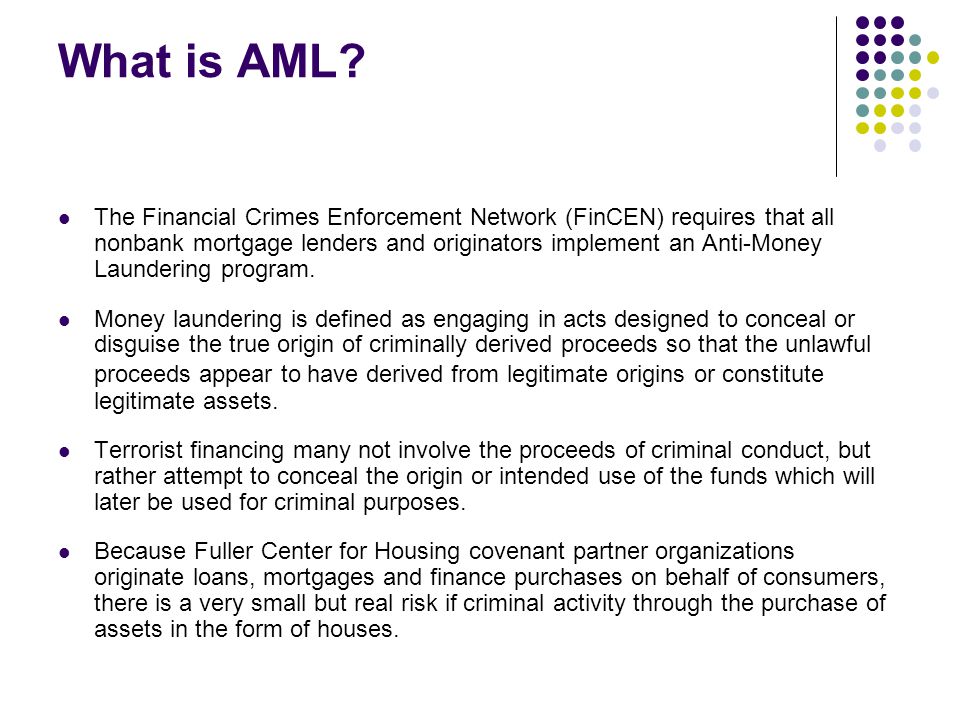
AML is a worldwide term to prevent money laundering. Anti-money laundering refers to laws and regulations intended to stop criminals from disguising illegally obtained funds as legitimate income. Anti-money laundering aims to deter such criminal activities and detects the true source of the funds. If the institution does not conduct due diligence properly it may be held legally liable for the money laundering activities. It is implemented within government systems and large financial institutions to monitor potentially fraudulent activity.
 Source: en.ppt-online.org
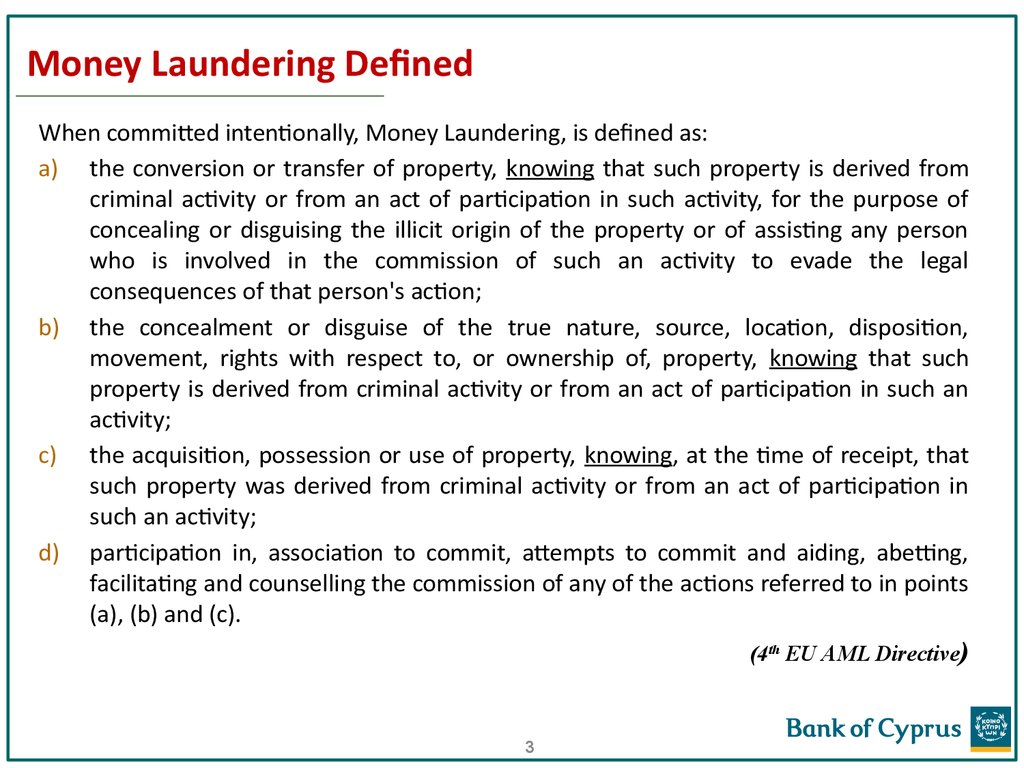
AML is generally employed by the compliance legal and financial sectors to introduce or develop control systems that an organisation should implement with an aim to identify and then stop the activities which can result in money laundering. If the institution does not conduct due diligence properly it may be held legally liable for the money laundering activities. Global and local regulators are established around the world to prevent financial. Anti-Money Laundering Law means applicable laws or regulations in any jurisdiction in which any Loan Party or any Subsidiary is located or doing business that relates to money laundering any predicate crime to money laundering or any financial record. Directly or indirectly attempted to.
 Source: slideplayer.com
Anti-money laundering definition of Anti-money laundering by Medical dictionary. Anti-money laundering aims to deter such criminal activities and detects the true source of the funds. Anti-Money Laundering Laws means any and all laws statutes regulations or obligatory government orders decrees ordinances or rules applicable to a Credit Party its Subsidiaries or Affiliates related to terrorism financing or money laundering including any applicable provision of the Patriot Act and The Currency and Foreign Transactions Reporting Act also known as the Bank Secrecy Act 31 USC. Anti-Money Laundering AML includes policies laws and regulations to prevent financial crimes. The purpose of the Anti-Money Laundering AML rules is to help detect and report suspicious activity including the predicate offenses to money laundering and terrorist financing such as securities fraud and market manipulation.
 Source: eimf.eu
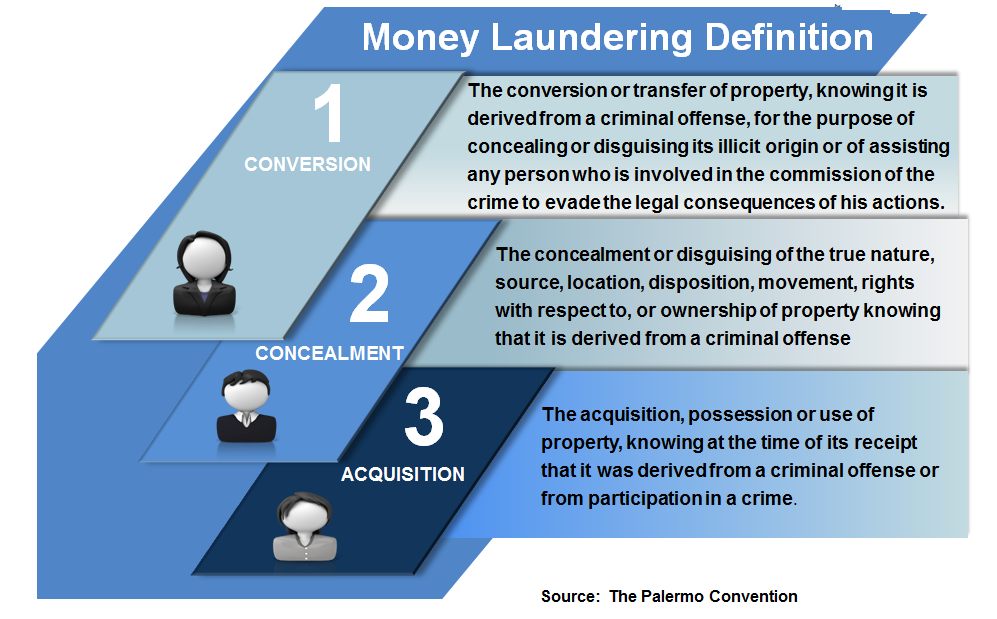
If the institution does not conduct due diligence properly it may be held legally liable for the money laundering activities. Anti-money laundering aims to deter such criminal activities and detects the true source of the funds. AML laws require that financial instutions report any financial crime they detect to relevant. Anti-Money Laundering What is Anti-Money Laundering. Money laundering has been defined in the Prevention of Money Laundering Act of 2002 PMLA under section 3 where a person shall be guilty of the offence if such person is found to have.
 Source: intosaijournal.org
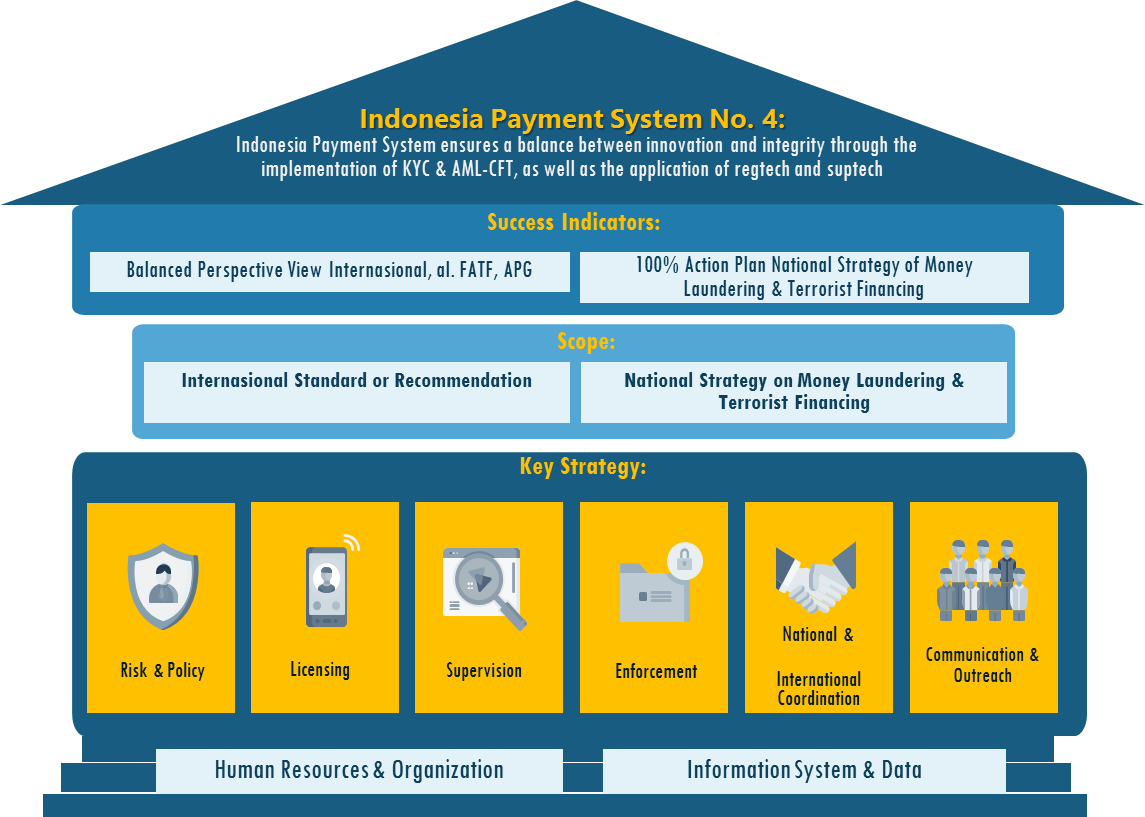
Anti-Money Laundering Any law or regulation requiring an institution to perform due diligence on potential clients to ensure that it is not aiding in a money laundering scheme. Anti-Money Laundering AML includes policies laws and regulations to prevent financial crimes. Anti-Money Laundering Any law or regulation requiring an institution to perform due diligence on potential clients to ensure that it is not aiding in a money laundering scheme. What is Anti-Money Laundering. Anti-Money Laundering AML is a set of policies procedures and technologies that prevents money laundering.
 Source: bi.go.id
If the institution does not conduct due diligence properly it may be held legally liable for the money laundering activities. While AML covers a range of criminal activity it is particularly aimed at specific types of financial misuse including public corruption tax evasion illegal goods trading and market manipulation. The purpose of the Anti-Money Laundering AML rules is to help detect and report suspicious activity including the predicate offenses to money laundering and terrorist financing such as securities fraud and market manipulation. AML is generally employed by the compliance legal and financial sectors to introduce or develop control systems that an organisation should implement with an aim to identify and then stop the activities which can result in money laundering. Anti-Money Laundering and Countering Financing of Terrorism Definitions Regulations 2011 SR 2011222 as at 09 July 2021 Contents New Zealand Legislation.
This site is an open community for users to do submittion their favorite wallpapers on the internet, all images or pictures in this website are for personal wallpaper use only, it is stricly prohibited to use this wallpaper for commercial purposes, if you are the author and find this image is shared without your permission, please kindly raise a DMCA report to Us.
If you find this site serviceableness, please support us by sharing this posts to your preference social media accounts like Facebook, Instagram and so on or you can also bookmark this blog page with the title anti money laundering definition by using Ctrl + D for devices a laptop with a Windows operating system or Command + D for laptops with an Apple operating system. If you use a smartphone, you can also use the drawer menu of the browser you are using. Whether it’s a Windows, Mac, iOS or Android operating system, you will still be able to bookmark this website.