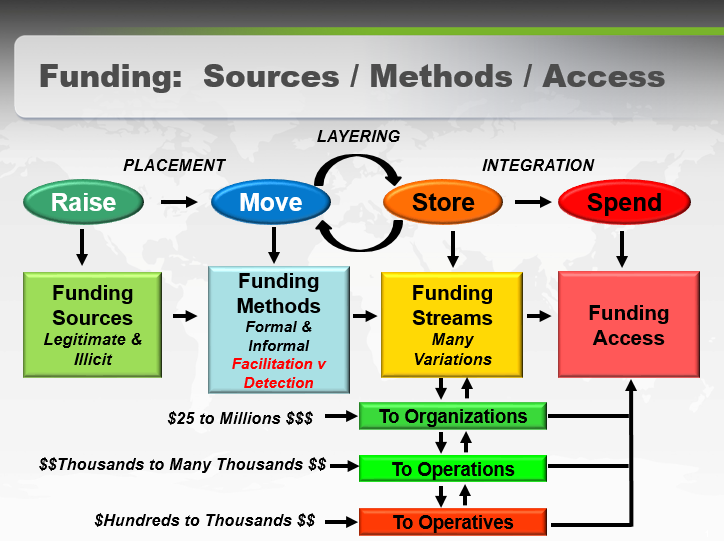
Your Anti money laundering regulations means images are available in this site. Anti money laundering regulations means are a topic that is being searched for and liked by netizens now. You can Download the Anti money laundering regulations means files here. Get all royalty-free images.
If you’re looking for anti money laundering regulations means pictures information connected with to the anti money laundering regulations means keyword, you have pay a visit to the right blog. Our site always provides you with hints for refferencing the maximum quality video and picture content, please kindly search and locate more enlightening video articles and graphics that match your interests.
Anti Money Laundering Regulations Means. 19 of 2003 applicant for business means a person seeking to form a business relationship or. Anti-money laundering regulations are the rules for businesses institutions and even countries to eliminate money laundering and terrorist financing activities. An effective anti-money launderingcounter financing of terrorism framework must therefore address both risk issues. There are global and local regulatory authorities established around the world to.
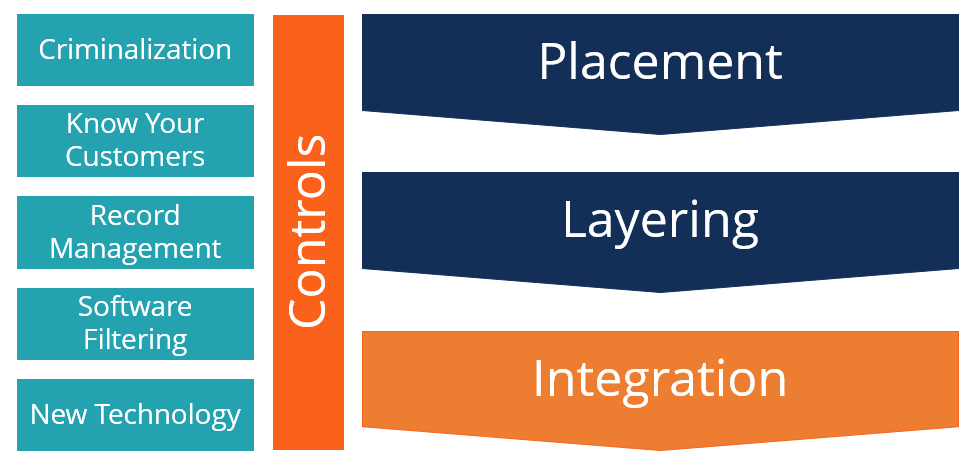 Anti Money Laundering Overview Process And History From corporatefinanceinstitute.com
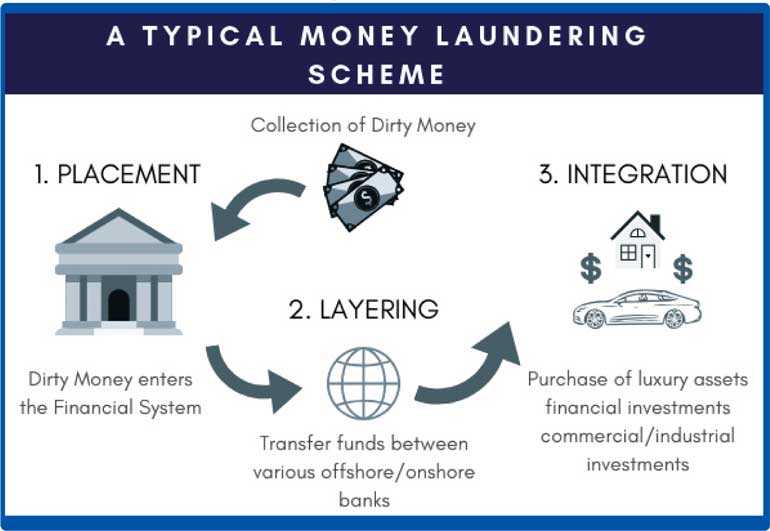
THE FINANCIAL INTELLIGENCE AND ANTI-MONEY LAUNDERING ACTRegulations made by the Minister under sections 17C 17D 17E and 35 of the Financial Intelligence and Anti-Money Laundering Act These regulations may be cited as the Financial Intelligence and. AMLCFT means anti-money laundering and countering the financing of terrorism AMLCFT programme means a compliance programme established under section 561 AMLCFT requirements means the requirements set out in Part 2. There are global and local regulatory authorities established around the world to. What are anti-money laundering regulations. Anti-Money Laundering AML Definition Anti-Money Laundering AML includes policies laws and regulations aimed at preventing financial crime. There are three major steps in money laundering placement layering and integration and various controls are put in place to monitor suspicious activity that could be involved in money laundering.
Authority means the Financial Intelligence Authority established under Part IV of the Act.
AMLCFT Regulations means the Anti-Money Laundering and Terrorist Financing Regulations. Anti-money laundering regulations are the rules for businesses institutions and even countries to eliminate money laundering and terrorist financing activities. There are global and local regulatory authorities established around the world to. An AML compliance program is also designed to expose and react to money laundering terrorist financing and fraud-related risks. Anti-Money Laundering AML is a set of policies procedures and technologies that prevents money laundering. There are three major steps in money laundering placement layering and integration and various controls are put in place to monitor suspicious activity that could be involved in money laundering.
Source: corporatefinanceinstitute.com
There are three major steps in money laundering placement layering and integration and various controls are put in place to monitor suspicious activity that could be involved in money laundering. A policy statement is a document that includes your anti-money laundering policy controls and the procedures your business will take to prevent money laundering. These Regulations may be cited as the Anti-Money Laundering Regulations 2015. Anti-money laundering regulations are the rules for businesses institutions and even countries to eliminate money laundering and terrorist financing activities. These regulations are administered by the Ministry of Justice.
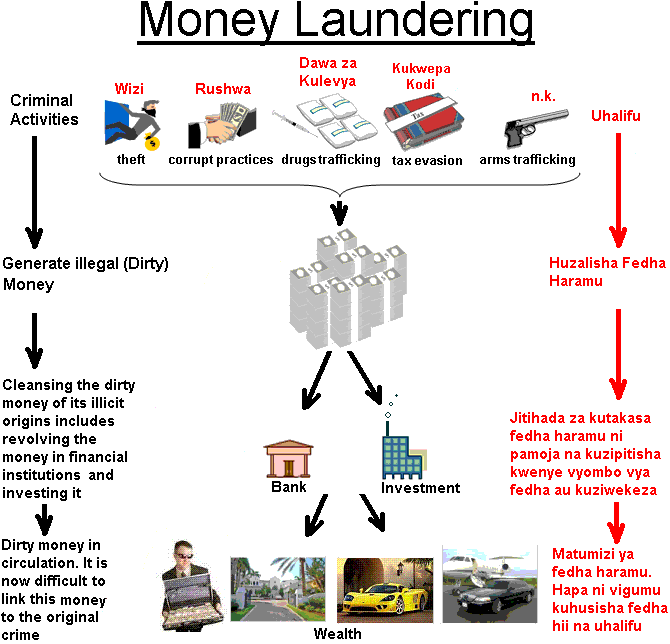 Source: fiu.go.tz
Authority means the Financial Intelligence Authority established under Part IV of the Act. It must prevent detect and punish illegal funds entering the financial system and the funding of terrorist individuals organizations andor activities. Money laundering means an offence as provided for in the Proceeds of Crime and Anti Money Laundering Act 2009. Anti-money laundering AML is a term mainly used in the financial and legal industries to describe the legal controls that require financial institutions and other regulated entities to prevent detect and report money laundering activities. Pursuant to sections 5 153 and 154 of the Anti-Money Laundering and Countering Financing of Terrorism Act 2009 His Excellency the Governor-General makes the following regulations acting.
 Source: webnuk.wordpress.com
Discount agreement means an agreement in principle between a Supervisory Authority and a party that has breached a prescribed. These Regulations may be cited as the Anti-money Laundering commencement. Discount agreement means an agreement in principle between a Supervisory Authority and a party that has breached a prescribed. What are anti-money laundering regulations. AMLCFT means anti-money laundering and countering the financing of terrorism AMLCFT programme means a compliance programme established under section 561 AMLCFT requirements means the requirements set out in Part 2.
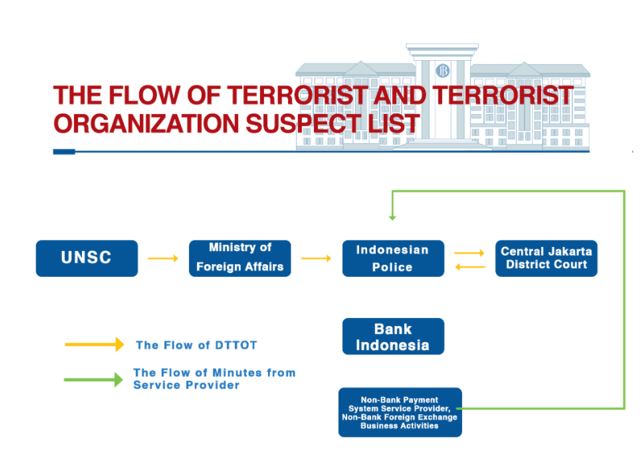 Source: bi.go.id
There are three major steps in money laundering placement layering and integration and various controls are put in place to monitor suspicious activity that could be involved in money laundering. AML is a worldwide term for money-laundering prevention. There are three major steps in money laundering placement layering and integration and various controls are put in place to monitor suspicious activity that could be involved in money laundering. An anti-money laundering compliance program is what a company does to adhere to AML policies and regulations. AMLCFT means anti-money laundering and countering the financing of terrorism AMLCFT programme means a compliance programme established under section 561 AMLCFT requirements means the requirements set out in Part 2.
 Source: bi.go.id
Interpretation In these Regulations unless the context otherwise requires Act means the Anti-Money Laundering Act 2013. Discount agreement means an agreement in principle between a Supervisory Authority and a party that has breached a prescribed. Money laundering means an offence as provided for in the Proceeds of Crime and Anti Money Laundering Act 2009. AML is a worldwide term for money-laundering prevention. These Regulations may be cited as the Anti-Money Laundering Regulations 2015.
 Source: tookitaki.ai
These regulations are administered by the Ministry of Justice. Regulation 2 Anti-Money Laundering AmendmentNo2 Regulations 2019 Page 6 SL 28 of 2019 c Supervisory Authority to a party that a Supervisory Authority believes has breached a prescribed provision. An anti-money laundering compliance program is what a company does to adhere to AML policies and regulations. A policy statement is a document that includes your anti-money laundering policy controls and the procedures your business will take to prevent money laundering. Authority means the Financial Intelligence Authority established under Part IV of the Act.
 Source: plianced.com
1 In these Regulations unless the context otherwise requires Agency means the Financial Investigation Agency established under section 3 of the Financial Investigation Agency Act 2003. THE FINANCIAL INTELLIGENCE AND ANTI-MONEY LAUNDERING ACTRegulations made by the Minister under sections 17C 17D 17E and 35 of the Financial Intelligence and Anti-Money Laundering Act These regulations may be cited as the Financial Intelligence and. Anti-Money Laundering AML is a set of policies procedures and technologies that prevents money laundering. An effective anti-money launderingcounter financing of terrorism framework must therefore address both risk issues. Define Anti-Money Laundering Law.
 Source: bi.go.id
These Regulations may be cited as the Anti-money Laundering commencement. Appeal means an appeal for which leave is granted by the Grand Court under. Anti-Money Laundering AML is a set of policies procedures and technologies that prevents money laundering. AML is a worldwide term for money-laundering prevention. It must prevent detect and punish illegal funds entering the financial system and the funding of terrorist individuals organizations andor activities.
 Source:
AML is a worldwide term for money-laundering prevention. Appeal means an appeal for which leave is granted by the Grand Court under. What are anti-money laundering regulations. Regulation 2 Anti-Money Laundering AmendmentNo2 Regulations 2019 Page 6 SL 28 of 2019 c Supervisory Authority to a party that a Supervisory Authority believes has breached a prescribed provision. These regulations are administered by the Ministry of Justice.
 Source: ft.lk
19 of 2003 applicant for business means a person seeking to form a business relationship or. AML means anti-money laundering. What are anti-money laundering regulations. A policy statement is a document that includes your anti-money laundering policy controls and the procedures your business will take to prevent money laundering. Authority means the Financial Intelligence Authority established under Part IV of the Act.
Source: pliance.io
Anti-Money Laundering AML Definition Anti-Money Laundering AML includes policies laws and regulations aimed at preventing financial crime. Authority means the Financial Intelligence Authority established under Part IV of the Act. It must prevent detect and punish illegal funds entering the financial system and the funding of terrorist individuals organizations andor activities. What are anti-money laundering regulations. AML is a worldwide term for money-laundering prevention.
 Source: shuftipro.com
Anti-Money Laundering AML Definition Anti-Money Laundering AML includes policies laws and regulations aimed at preventing financial crime. Pursuant to sections 5 153 and 154 of the Anti-Money Laundering and Countering Financing of Terrorism Act 2009 His Excellency the Governor-General makes the following regulations acting. An anti-money laundering compliance program is what a company does to adhere to AML policies and regulations. AML means anti-money laundering. There are global and local regulatory authorities established around the world to.
 Source: bi.go.id
These Regulations may be cited as the Anti-Money Laundering Regulations 2020 Revision. Define Anti-Money Laundering Law. An effective anti-money launderingcounter financing of terrorism framework must therefore address both risk issues. Appeal means an appeal for which leave is granted by the Grand Court under. Interpretation In these Regulations unless the context otherwise requires Act means the Anti-Money Laundering Act 2013.
This site is an open community for users to share their favorite wallpapers on the internet, all images or pictures in this website are for personal wallpaper use only, it is stricly prohibited to use this wallpaper for commercial purposes, if you are the author and find this image is shared without your permission, please kindly raise a DMCA report to Us.
If you find this site helpful, please support us by sharing this posts to your preference social media accounts like Facebook, Instagram and so on or you can also bookmark this blog page with the title anti money laundering regulations means by using Ctrl + D for devices a laptop with a Windows operating system or Command + D for laptops with an Apple operating system. If you use a smartphone, you can also use the drawer menu of the browser you are using. Whether it’s a Windows, Mac, iOS or Android operating system, you will still be able to bookmark this website.