Your Define laundering in economics images are ready. Define laundering in economics are a topic that is being searched for and liked by netizens today. You can Download the Define laundering in economics files here. Find and Download all free photos.
If you’re looking for define laundering in economics images information related to the define laundering in economics interest, you have pay a visit to the right blog. Our site always gives you suggestions for seeking the highest quality video and picture content, please kindly hunt and locate more informative video articles and images that match your interests.
Define Laundering In Economics. Money laundering is a process that criminals use in an attempt to hide the illegal source of their income. Along with some other aspects of underground economic activity rough estimates have been. Definitions of money laundering in practice In. By its very nature money laundering is an illegal activity carried out by criminals which occurs outside of the normal range of economic.
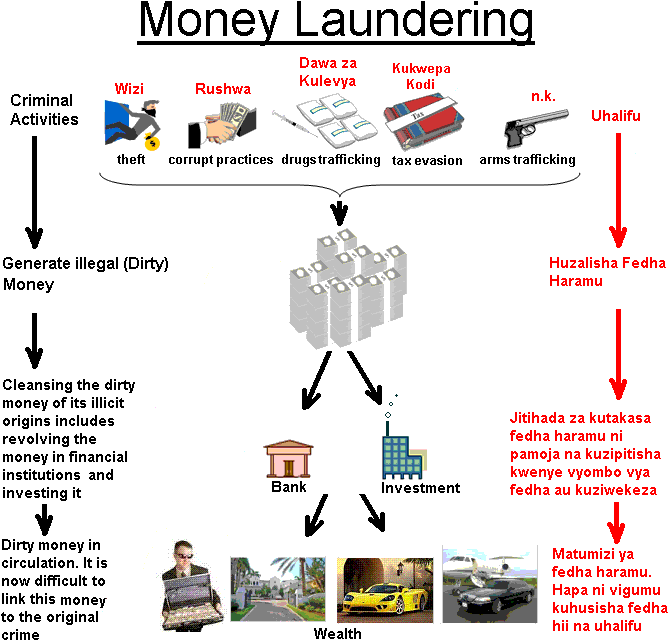 Tanzania Financial Intelligence Unit Money Laundering Definition Kitengo Cha Kudhibiti Fedha Haramu Maana Ya Biashara Ya Fedha Haramu From fiu.go.tz
Authorities plan to limit cash deposits of dollars at bank counters as a measure against money laundering. A money laundering risk assessment is an analytical process applied to a business. Money laundering is the process of changing large amounts of money obtained from crimes such as drug trafficking into origination from a legitimate source. However of the six most common forms of trade only three are legal. Money laundering is the illegal process of converting money earned from illegal activities into clean money that is money that can be freely used in legitimate business operations and does not have to be concealed from the authorities. Money laundering defined.
A money laundering risk assessment is an analytical process applied to a business.
Money Laundering meaning in law Money laundering is a term used to describe a scheme in which criminals try to disguise the identity original ownership and destination of money that they have obtained through criminal conduct. Basically different money launderers gain money from illegal sources and try to convert it into legitimate by using different ways. Money laundering is the process of changing large amounts of money obtained from crimes such as drug trafficking into origination from a legitimate source. Money laundering is the illegal process of converting money earned from illegal activities into clean money that is money that can be freely used in legitimate business operations and does not have to be concealed from the authorities. Full Definition of Money Laundering Money laundering is the practice of engaging in financial transactions in order to conceal the identity source andor destination of money and is a main operation of the underground economy. Money Laundering meaning in law Money laundering is a term used to describe a scheme in which criminals try to disguise the identity original ownership and destination of money that they have obtained through criminal conduct.
 Source: pinterest.com
Money laundering is the process of changing large amounts of money obtained from crimes such as drug trafficking into origination from a legitimate source. Money laundering has an adverse impact on economy and political stability of country and hence. Full Definition of Money Laundering Money laundering is the practice of engaging in financial transactions in order to conceal the identity source andor destination of money and is a main operation of the underground economy. We will now show how money laundering can be seen given an economy with both legal and illegal sectors as a multiplier of the volume of economic activities carried out by criminal agents allowing them to transform their illegally gained revenues into effec- tive purchasing power. Money laundering is a process that criminals use in an attempt to hide the illegal source of their income.
 Source: pinterest.com
The launderer can now enjoy their illegal wealth believing that the laundered money wont be traced back to them. 21 Money Laundering Defined In todays global economy international trade is an important source of income for many nations and their economies. Money laundering is the act of disguising the original ownership identity and destination of the profits of a crime by hiding it within a legitimate financial institution and making it appear to have been acquired from a legal source. Along with some other aspects of underground economic activity rough estimates have been. A money laundering risk assessment is an analytical process applied to a business.
 Source: in.pinterest.com
Money laundering is a process that criminals use in an attempt to hide the illegal source of their income. Basically different money launderers gain money from illegal sources and try to convert it into legitimate by using different ways. Money laundering is the process by which large amount of illegally obtained money from drug trafficking Terrorist activity or other serious crimes is given the appearance of having originated from the Legitimate source. Along with some other aspects of underground economic activity rough estimates have been put forward to give some sense of the scale of the problem. Money laundering is the process of making illegally obtained funds dirty money appear legal.
 Source: pinterest.com
These include foreign exchange speculation and the sale of coffee and oil. Money laundering defined. It is a key operation of the underground economy. How do you define money laundering. By its very nature money laundering is an illegal activity carried out by criminals which occurs outside of the normal range of economic.
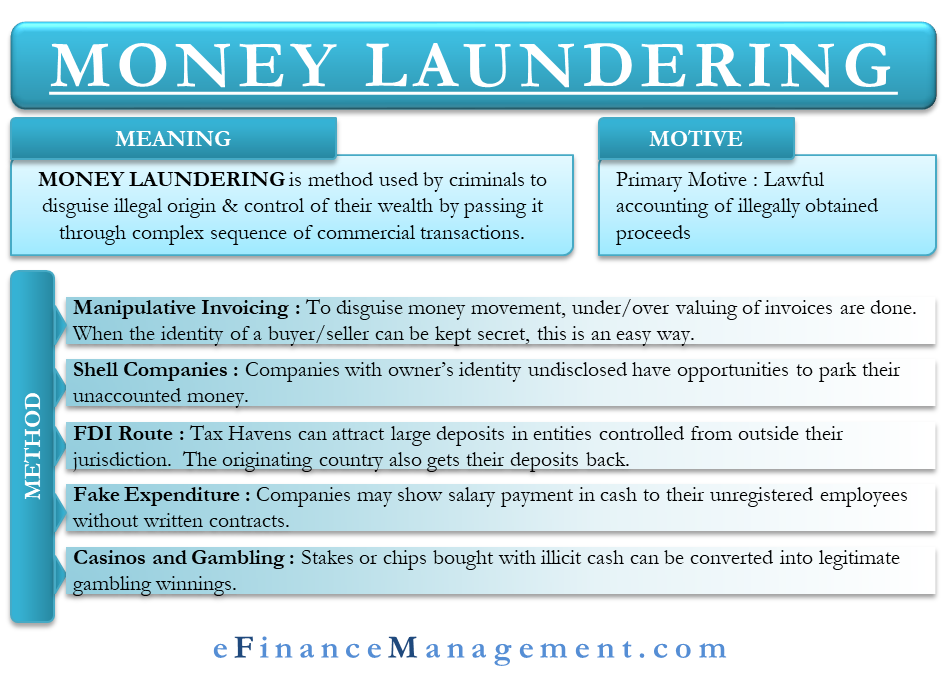 Source: efinancemanagement.com
These include foreign exchange speculation and the sale of coffee and oil. By its very nature money laundering is an illegal activity carried out by criminals which occurs outside of the normal range of economic and financial statistics. Gross Profit Gross profit is the. A money laundering risk assessment is an analytical process applied to a business. Money laundering is a process that criminals use in an attempt to hide the illegal source of their income.
 Source: pinterest.com
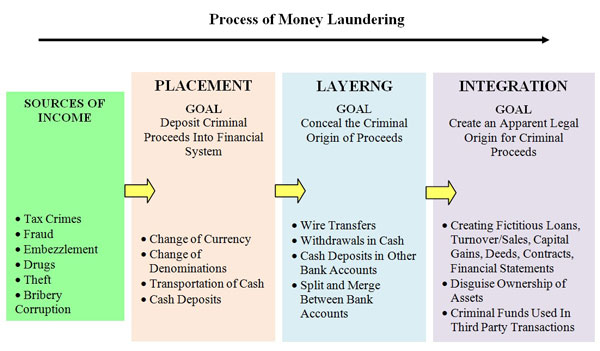
Its very easy to define but involves multiple techniques. Money laundering is the illegal process of converting money earned from illegal activities into clean money that is money that can be freely used in legitimate business operations and does not have to be concealed from the authorities. By its very nature money laundering is an illegal activity carried out by criminals which occurs outside of the normal range of economic and financial statistics. Money Laundering is the method criminals use to disguise the illegal origin and control of their wealth by passing it through a complex sequence of banking transfers or commercial transactions. Such proceeds then seem to have appeared from a legitimate source and thus become legal money.
 Source: in.pinterest.com
Money Laundering meaning in law Money laundering is a term used to describe a scheme in which criminals try to disguise the identity original ownership and destination of money that they have obtained through criminal conduct. Money laundering is the process of changing large amounts of money obtained from crimes such as drug trafficking into origination from a legitimate source. Such proceeds then seem to have appeared from a legitimate source and thus become legal money. Money Laundering is the method criminals use to disguise the illegal origin and control of their wealth by passing it through a complex sequence of banking transfers or commercial transactions. Money laundering is a process that criminals use in an attempt to hide the illegal source of their income.
 Source: pinterest.com
Money laundering defined. Money laundering has an adverse impact on economy and political stability of country and hence. Gross Profit Gross profit is the. Money laundering is the process of changing large amounts of money obtained from crimes such as drug trafficking into origination from a legitimate source. By its very nature money laundering is an illegal activity carried out by criminals which occurs outside of the normal range of economic.
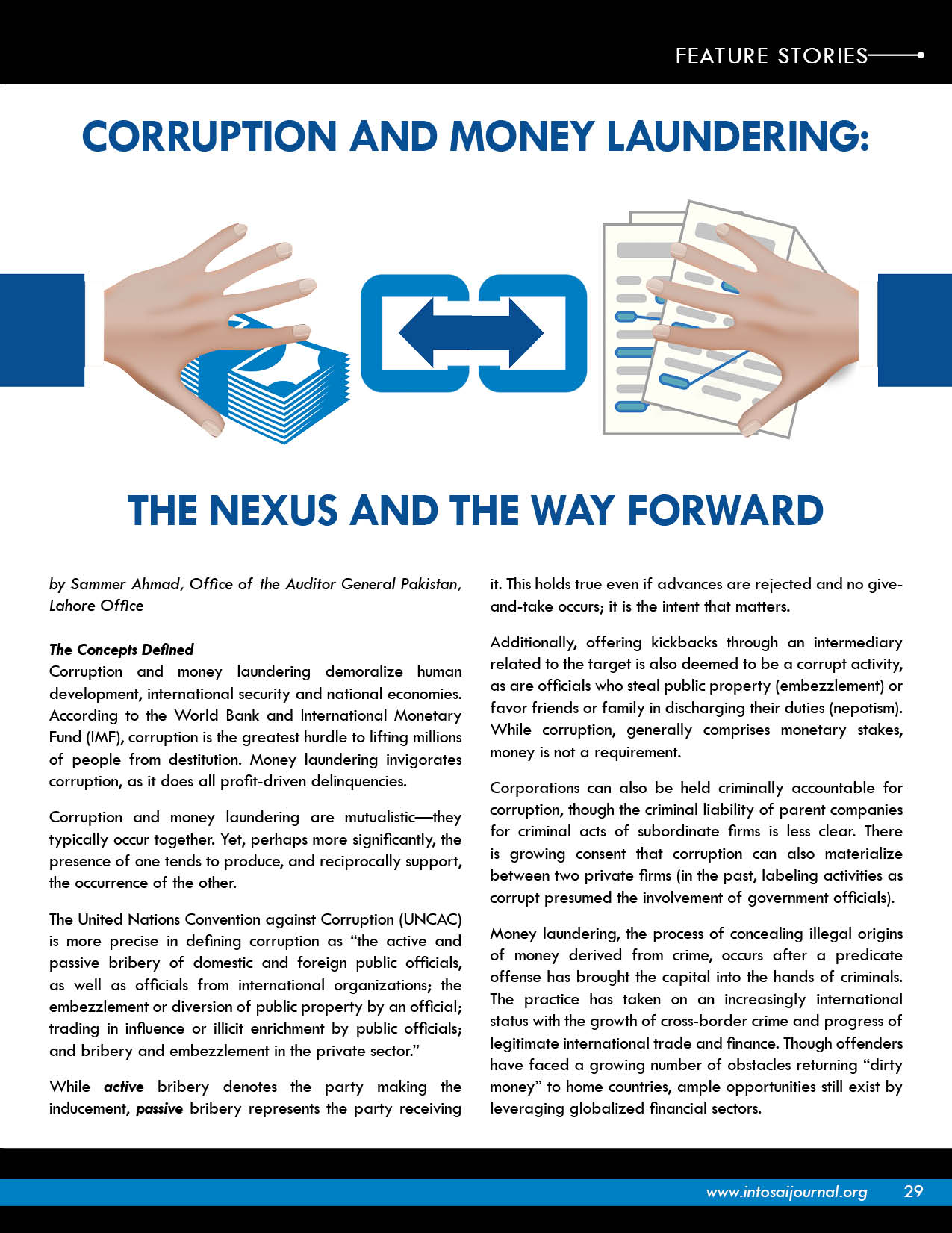 Source: intosaijournal.org
These are called methods of laundering. Anti Money Laundering AML Definition Anti-money laundering refers to laws and regulations intended to stop criminals from disguising illegally obtained funds as legitimate income. Its very easy to define but involves multiple techniques. Money Laundering meaning in law Money laundering is a term used to describe a scheme in which criminals try to disguise the identity original ownership and destination of money that they have obtained through criminal conduct. Money laundering is a process that criminals use in an attempt to hide the illegal source of their income.
 Source: researchgate.net
By its very nature money laundering is an illegal activity carried out by criminals which occurs outside of the normal range of economic and financial statistics. It is a key operation of the underground economy. Money laundering is the illegal process of converting money earned from illegal activities into clean money that is money that can be freely used in legitimate business operations and does not have to be concealed from the authorities. It is a crime in many jurisdictions with varying definitions. Basically different money launderers gain money from illegal sources and try to convert it into legitimate by using different ways.
 Source: bi.go.id
Along with some other aspects of underground economic activity rough estimates have been. Along with some other aspects of underground economic activity rough estimates have been. Gross Profit Gross profit is the. Full Definition of Money Laundering Money laundering is the practice of engaging in financial transactions in order to conceal the identity source andor destination of money and is a main operation of the underground economy. These are called methods of laundering.
 Source: in.pinterest.com
Money laundering defined. The launderer can now enjoy their illegal wealth believing that the laundered money wont be traced back to them. It is a key operation of the underground economy. Broadly defined money laundering is the act of disguising the proceeds of illicit activities. Full Definition of Money Laundering Money laundering is the practice of engaging in financial transactions in order to conceal the identity source andor destination of money and is a main operation of the underground economy.
Source: fiu.go.tz
Money laundering is the process by which large amount of illegally obtained money from drug trafficking Terrorist activity or other serious crimes is given the appearance of having originated from the Legitimate source. Definitions of money laundering in practice In. The launderer can now enjoy their illegal wealth believing that the laundered money wont be traced back to them. Gross Profit Gross profit is the. It is a crime in many jurisdictions with varying definitions.
This site is an open community for users to submit their favorite wallpapers on the internet, all images or pictures in this website are for personal wallpaper use only, it is stricly prohibited to use this wallpaper for commercial purposes, if you are the author and find this image is shared without your permission, please kindly raise a DMCA report to Us.
If you find this site convienient, please support us by sharing this posts to your preference social media accounts like Facebook, Instagram and so on or you can also save this blog page with the title define laundering in economics by using Ctrl + D for devices a laptop with a Windows operating system or Command + D for laptops with an Apple operating system. If you use a smartphone, you can also use the drawer menu of the browser you are using. Whether it’s a Windows, Mac, iOS or Android operating system, you will still be able to bookmark this website.