Your Fatf terrorist financing guidance images are ready in this website. Fatf terrorist financing guidance are a topic that is being searched for and liked by netizens today. You can Download the Fatf terrorist financing guidance files here. Get all free vectors.
If you’re looking for fatf terrorist financing guidance images information related to the fatf terrorist financing guidance topic, you have visit the ideal site. Our website always provides you with hints for downloading the highest quality video and image content, please kindly search and find more informative video content and images that match your interests.
Fatf Terrorist Financing Guidance. The paper expands on recommendations issued in 2013 by the Paris-based intergovernmental group on national money laundering and terrorist financing risk. The Financial Action Task Force FATF is an independent inter-governmental body that develops and promotes policies to protect the global financial system against money laundering terrorist financing and the financing of proliferation of weapons of mass destruction. Purpose of the guidance Terrorist Financing Risk Assessment Guidance The FATF requires each country to identify assess and understand the terrorist financing risks it faces in order to mitigate them and effectively dismantle and disrupt terrorist networks. India is yet to come up with the same.
 Fatf Publications On Money Laundering And Illegal Wildlife Trade Translated Into The Indonesian Language From unodc.org
This includes guidance both public and confidential to help public and private sectors effectively implement these tools. Today the Financial Action Task Force FATF published Guidance on Criminalising Terrorist Financing. FATF Recommendations 2012 - amended June 2021. This Guidance paper on the criminalisation of terrorist financing will help countries implement each of the requirements of Recommendation 5 and explains the various aspects that the terrorist financing offence must cover in national legal systems. The paper expands on recommendations issued in 2013 by the Paris-based intergovernmental group on national money laundering and terrorist financing risk. Countries often face particular challenges in assessing terrorist financing risks due to the low value of funds or other assets used in many instances and the wide variety of sectors misused for the purpose of financing terrorism.
The FATF Recommendations were revised a second time in 2003 and these together with the Special Recommendations have been endorsed by over 180 countries and are universally recognised as the international standard for anti-money laundering and countering the financing of terrorism AMLCFT.
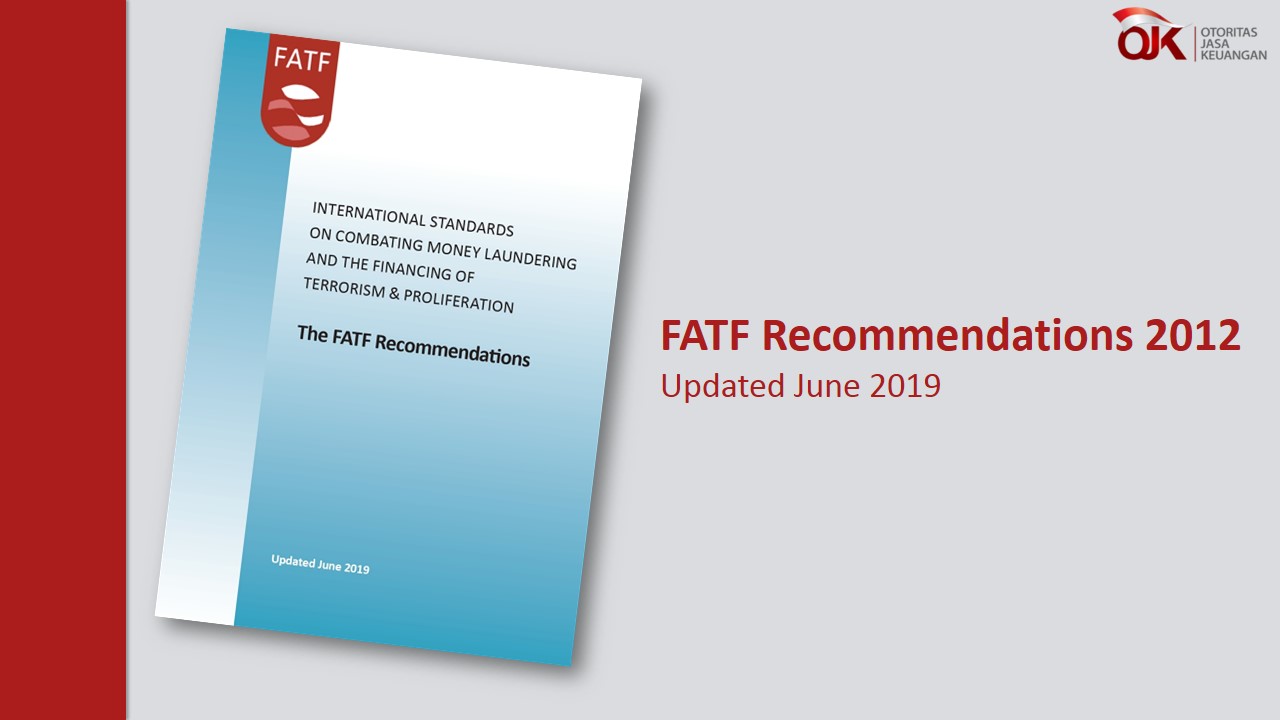
India is yet to come up with the same. A risk assessment is a complex process that requires the preliminary definition of the pursued objectives. The paper expands on recommendations issued in 2013 by the Paris-based intergovernmental group on national money laundering and terrorist financing risk. For example the National risk assessment of money laundering and terrorist financing is the guidance published by the UK government. The FATF requires each country to identify assess and understand the terrorist financing risks it faces in order to mitigate them and effectively dismantle and disrupt terrorist networks. The FATF Recommendations the international anti-money laundering and combating the financing of terrorism and proliferation AMLCFT standards and the FATF Methodology to assess the effectiveness of AMLCFT systems.
 Source:
The FATF Recommendations are recognised as the global anti-money. FATF Recommendations 2012 - amended June 2021. Purpose of the guidance Terrorist Financing Risk Assessment Guidance The FATF requires each country to identify assess and understand the terrorist financing risks it faces in order to mitigate them and effectively dismantle and disrupt terrorist networks. This Guidance paper on the criminalisation of terrorist financing will help countries implement each of the requirements of Recommendation 5 and explains the various aspects that the terrorist financing offence must cover in national legal systems. The FATF Recommendations were revised a second time in 2003 and these together with the Special Recommendations have been endorsed by over 180 countries and are universally recognised as the international standard for anti-money laundering and countering the financing of terrorism AMLCFT.
Source: unodc.org
The FATF requires each country to identify assess and understand the terrorist financing risks it faces in order to mitigate them and effectively dismantle and disrupt terrorist networks. Countries often face particular challenges in assessing terrorist financing risks due to the low value of funds or other assets used in many instances and the wide variety of sectors misused for the purpose of financing terrorism. This report builds on the 2013 FATF guidance on national money laundering and terrorist financing risk assessments and draws on inputs from over 35 jurisdictions from across the FATF Global Network on their extensive experience and lessons learnt in assessing terrorist financing risk. Countries often face particular. Based on FATF recommendations many jurisdictions have prepared and published risk assessment procedures.
 Source: fatf-gafi.org
In the Guidance FATF recognizes that for countries to effectively dismantle and disrupt terrorist networks they must first identify. At its extraordinary Plenary meeting on 29-30 October 2001 the Financial Action Task Force on Money Laundering FATF agreed to develop special guidance for financial institutions to help them detect the techniques and mechanisms used in the financing of terrorism. In July 2019 the Financial Action Task Force FATF published its 2019 Terrorist Financing Risk Assessment Guidance the FATF Guidance building on its previously issued 2013 joint guidance for national money laundering and terrorist financing risk assessments. India is yet to come up with the same. The FATF subsequently brought together experts from its member countries to gather information on and study the issue of terrorist financing as.
 Source: fatf-gafi.org
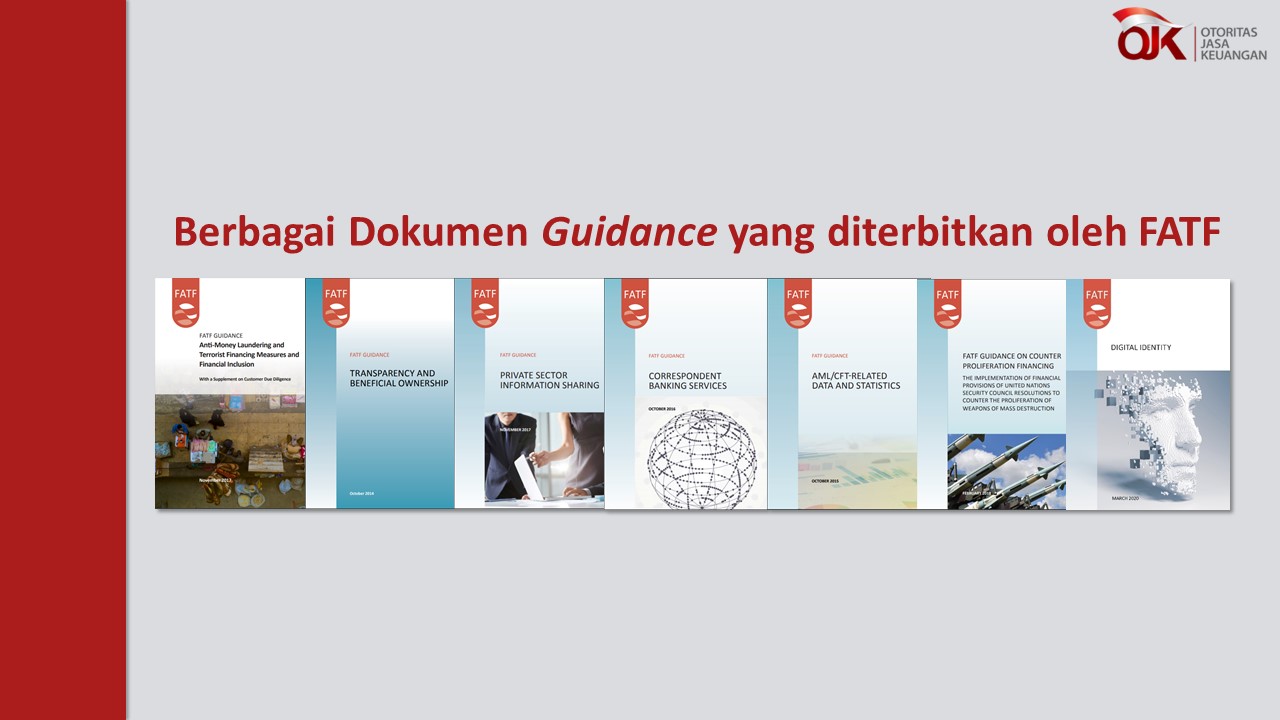
The Financial Action Task Force FATF is an independent inter-governmental body that develops and promotes policies to protect the global financial system against money laundering terrorist financing and the financing of proliferation of weapons of mass destruction. The Financial Action Task Force FATF is an independent inter-governmental body that develops and promotes policies to protect the global financial system against money laundering terrorist financing and the financing of proliferation of weapons of mass destruction. The FATF subsequently brought together experts from its member countries to gather information on and study the issue of terrorist financing as. FATF Gudance - Anti-Money Laundering and Terrorist Financing Measures and Financial Inclusion. India is yet to come up with the same.
 Source: fatf-gafi.org
The FATF Recommendations the international anti-money laundering and combating the financing of terrorism and proliferation AMLCFT standards and the FATF Methodology to assess the effectiveness of AMLCFT systems. A terrorist financing risk assessmentis a product or process based on a methodology agreed by the parties involved that attempts to identify analyse and understand terrorist financing risks and serves as a first step in addressing them. This report builds on the 2013 FATF guidance on national money laundering and terrorist financing risk assessments and draws on inputs from over 35 jurisdictions from across the FATF Global Network on their extensive experience and lessons learnt in assessing terrorist financing risk. This includes guidance both public and confidential to help public and private sectors effectively implement these tools. The Financial Action Task Force FATF has released new guidance to help practitioners assess the risk connected with terrorist financing.
 Source: twitter.com
The FATF Recommendations are recognised as the global anti-money. Ensure countries are appropriately and effectively implementing the FATF Standards to identify and disrupt terrorist financing activity. Based on FATF recommendations many jurisdictions have prepared and published risk assessment procedures. This report builds on the 2013 FATF guidance on national money laundering and terrorist financing risk assessments and draws on inputs from over 35 jurisdictions from across the FATF Global Network on their extensive experience and lessons learnt in assessing terrorist financing risk. At its extraordinary Plenary meeting on 29-30 October 2001 the Financial Action Task Force on Money Laundering FATF agreed to develop special guidance for financial institutions to help them detect the techniques and mechanisms used in the financing of terrorism.
 Source: fatf-gafi.org
This Guidance paper on the criminalisation of terrorist financing will help countries implement each of the requirements of Recommendation 5 and explains the various aspects that the terrorist financing offence must cover in national legal systems. Today the Financial Action Task Force FATF published Guidance on Criminalising Terrorist Financing. In July 2019 the Financial Action Task Force FATF published its 2019 Terrorist Financing Risk Assessment Guidance the FATF Guidance building on its previously issued 2013 joint guidance for national money laundering and terrorist financing risk assessments. Based on FATF recommendations many jurisdictions have prepared and published risk assessment procedures. Countries often face particular.
 Source: fatf-gafi.org
This report builds on the 2013 FATF guidance on national money laundering and terrorist financing risk assessments and draws on inputs from over 35 jurisdictions from across the FATF Global Network on their extensive experience and lessons learnt in assessing terrorist financing risk. The paper expands on recommendations issued in 2013 by the Paris-based intergovernmental group on national money laundering and terrorist financing risk. In the Guidance FATF recognizes that for countries to effectively dismantle and disrupt terrorist networks they must first identify. The FATF requires each country to identify assess and understand the terrorist financing risks it faces in order to mitigate them and effectively dismantle and disrupt terrorist networks. It provides sector specific guidance for risk assessment.
 Source: ojk.go.id
Countries often face particular challenges in assessing terrorist financing risks due to the low value of funds or other assets used in many instances and the wide variety of sectors misused for the purpose of financing terrorism. This Guidance paper on the criminalisation of terrorist financing will help countries implement each of the requirements of Recommendation 5 and explains the various aspects that the terrorist financing offence must cover in national legal systems. Countries often face particular. In the Guidance FATF recognizes that for countries to effectively dismantle and disrupt terrorist networks they must first identify. The FATF Recommendations are recognised as the global anti-money.
Source:
India is yet to come up with the same. The FATF requires each country to identify assess and understand the terrorist financing risks it faces in order to mitigate them and effectively dismantle and disrupt terrorist networks. The FATF subsequently brought together experts from its member countries to gather information on and study the issue of terrorist financing as. The FATF Recommendations the international anti-money laundering and combating the financing of terrorism and proliferation AMLCFT standards and the FATF Methodology to assess the effectiveness of AMLCFT systems. The FATF Recommendations were revised a second time in 2003 and these together with the Special Recommendations have been endorsed by over 180 countries and are universally recognised as the international standard for anti-money laundering and countering the financing of terrorism AMLCFT.
 Source: ojk.go.id
The Financial Action Task Force FATF is an independent inter-governmental body that develops and promotes policies to protect the global financial system against money laundering terrorist financing and the financing of proliferation of weapons of mass destruction. The FATF Recommendations are recognised as the global anti-money. The FATF Recommendations are recognised as the global anti-money. In July 2019 the Financial Action Task Force FATF published its 2019 Terrorist Financing Risk Assessment Guidance the FATF Guidance building on its previously issued 2013 joint guidance for national money laundering and terrorist financing risk assessments. Purpose of the guidance Terrorist Financing Risk Assessment Guidance The FATF requires each country to identify assess and understand the terrorist financing risks it faces in order to mitigate them and effectively dismantle and disrupt terrorist networks.
 Source: fatf-gafi.org
The Financial Action Task Force FATF is an independent inter-governmental body that develops and promotes policies to protect the global financial system against money laundering terrorist financing and the financing of proliferation of weapons of mass destruction. Countries often face particular. Countries often face particular challenges in assessing terrorist financing risks due to the low value of funds or other assets used in many instances and the wide variety of sectors misused for the purpose of financing terrorism. Based on FATF recommendations many jurisdictions have prepared and published risk assessment procedures. The Financial Action Task Force FATF has released new guidance to help practitioners assess the risk connected with terrorist financing.
 Source: ojk.go.id
The Financial Action Task Force FATF published new guidance Friday on how nations and compliance professionals can best implement counterterrorist financing CFT strategies and policies. The FATF Recommendations the international anti-money laundering and combating the financing of terrorism and proliferation AMLCFT standards and the FATF Methodology to assess the effectiveness of AMLCFT systems. The paper expands on recommendations issued in 2013 by the Paris-based intergovernmental group on national money laundering and terrorist financing risk. Methodology 2013 - amended November 2020. Countries often face particular challenges in assessing terrorist financing risks due to the low value of funds or other assets used in many instances and the wide variety of sectors misused for the purpose of financing terrorism.
This site is an open community for users to do submittion their favorite wallpapers on the internet, all images or pictures in this website are for personal wallpaper use only, it is stricly prohibited to use this wallpaper for commercial purposes, if you are the author and find this image is shared without your permission, please kindly raise a DMCA report to Us.
If you find this site adventageous, please support us by sharing this posts to your preference social media accounts like Facebook, Instagram and so on or you can also save this blog page with the title fatf terrorist financing guidance by using Ctrl + D for devices a laptop with a Windows operating system or Command + D for laptops with an Apple operating system. If you use a smartphone, you can also use the drawer menu of the browser you are using. Whether it’s a Windows, Mac, iOS or Android operating system, you will still be able to bookmark this website.